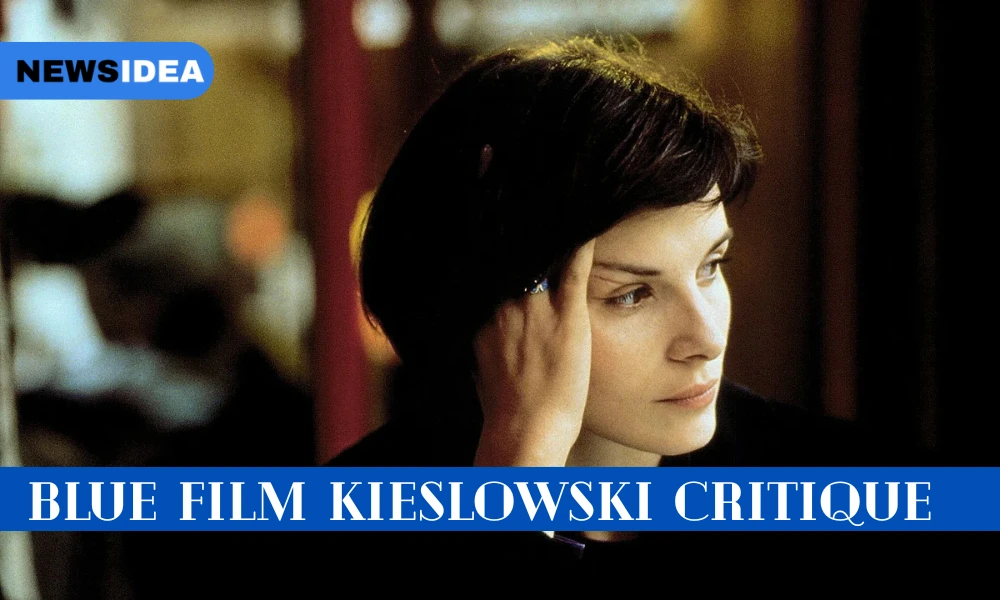
Blue Film Kieslowski Critique: Exploring Art, Emotion, and Storytelling
The phrase “Blue Film Kieslowski Critique” invites readers into a thoughtful exploration of cinema that blends emotion, philosophy, and visual artistry. At the center of this discussion is Krzysztof Kieślowski, a filmmaker known for crafting deeply introspective narratives. His work, particularly the film Blue, offers a profound meditation on grief, freedom, and identity. This article examines how his storytelling techniques, symbolic use of color, and character development contribute to a cinematic experience that resonates beyond entertainment, encouraging viewers to reflect on their own emotional landscapes.
Understanding the Essence of Blue Film Kieslowski Critique
A Blue Film Kieslowski Critique goes beyond simple film analysis; it focuses on interpreting the layers of meaning embedded in the narrative. Kieślowski’s approach to filmmaking emphasizes emotional authenticity rather than traditional plot-driven storytelling. His film Blue presents a quiet yet powerful journey of a woman coping with loss, using silence, music, and visual motifs to convey internal conflict. The critique often highlights how the director avoids overt explanations, instead trusting the audience to engage actively with the story and uncover deeper philosophical insights.
The Role of Color and Symbolism
Color plays a central role in understanding the Blue Film Kieslowski Critique. The recurring use of blue is not merely aesthetic but symbolic of emotional isolation, melancholy, and the search for freedom. Scenes are carefully composed to immerse viewers in the protagonist’s psychological state, creating a visual language that communicates without words. This artistic choice allows audiences to feel rather than simply observe, making the film an experience that is both personal and universal. The critique often emphasizes how this symbolic use of color elevates the narrative into a form of visual poetry.
Narrative Style and Minimalism
Kieślowski’s storytelling is marked by minimalism, which is a key focus in any Blue Film Kieslowski Critique. Dialogue is sparse, and much of the story unfolds through subtle gestures, expressions, and environmental details. This restrained approach encourages viewers to interpret meaning from context rather than explicit exposition. The pacing is deliberate, allowing emotional moments to breathe and resonate. Critics often note that this style demands patience but rewards viewers with a deeper understanding of the character’s inner world, making the film both challenging and profoundly moving.
Emotional Depth and Character Exploration
A significant aspect of the Blue Film Kieslowski Critique is the exploration of emotional depth. The protagonist’s journey is portrayed with remarkable sensitivity, capturing the complexities of grief and healing. Rather than presenting a straightforward arc, the film reflects the unpredictable nature of human emotions. Moments of silence, sudden memories, and fragmented interactions reveal the character’s struggle to rebuild her life. This nuanced portrayal allows viewers to connect with the character on a deeply personal level, highlighting the universality of loss and the resilience required to move forward.
Music as a Narrative Device
Music is an integral component in the Blue Film Kieslowski Critique, serving as both a narrative and emotional anchor. The score, composed by Zbigniew Preisner, enhances the film’s atmosphere and reflects the protagonist’s internal state. Musical sequences often interrupt the narrative, creating moments of reflection and intensifying the emotional impact. These compositions are not just background elements but active participants in storytelling, bridging the gap between visual imagery and emotional expression. The critique often highlights how music becomes a voice for what remains unspoken.
Themes of Freedom and Identity
Freedom is a recurring theme that shapes the Blue Film Kieslowski Critique. The protagonist’s attempt to detach herself from her past raises questions about the nature of true independence. Is freedom the absence of emotional ties, or is it the ability to embrace them? Kieślowski explores this dilemma through subtle narrative shifts and symbolic imagery. The film suggests that identity is deeply interconnected with relationships and memories, challenging the notion that one can simply erase the past. This philosophical inquiry adds depth to the critique, making it relevant across different cultural contexts.
Table: Blue Film Kieslowski Critique Context
| Aspect | Details |
| Director | Krzysztof Kieślowski |
| Film Title | Blue (Three Colors: Blue) |
| Release Year | 1993 |
| Genre | Drama, Art Film |
| Key Theme | Grief, Freedom, Identity |
| Music Composer | Zbigniew Preisner |
| Cinematic Style | Minimalist, Symbolic |
| Notable Element | Use of Blue Color Symbolism |
Cinematic Techniques and Visual Storytelling
The Blue Film Kieslowski Critique often examines the director’s innovative cinematic techniques. Close-up shots, fragmented editing, and deliberate lighting choices create a sense of intimacy and emotional tension. The camera frequently lingers on objects and faces, encouraging viewers to notice subtle details that reveal deeper meanings. This approach transforms ordinary moments into powerful storytelling devices. Critics appreciate how these techniques contribute to a layered narrative, where every visual element serves a purpose and enhances the overall emotional impact of the film.
Influence and Legacy
Kieślowski’s work has left a lasting impact on global cinema, a point frequently discussed in the Blue Film Kieslowski Critique. His unique blend of philosophical inquiry and emotional storytelling has inspired filmmakers to explore more introspective narratives. The film Blue is often regarded as a benchmark for artistic filmmaking, demonstrating how cinema can be both visually captivating and intellectually stimulating. Its influence extends beyond the film industry, encouraging audiences to engage with art in a more reflective and meaningful way.
FAQs
1. What is the main focus of Blue Film Kieslowski Critique?
It focuses on analyzing the emotional, symbolic, and philosophical elements of Kieślowski’s film Blue, emphasizing storytelling techniques and thematic depth.
2. Why is the color blue important in the film?
Blue symbolizes isolation, grief, and the protagonist’s emotional journey, serving as a visual representation of her inner state.
3. How does music contribute to the narrative?
Music enhances emotional expression and acts as a narrative tool, reflecting the protagonist’s feelings and adding depth to the storytelling.
4. What makes Kieślowski’s style unique?
His minimalist approach, use of symbolism, and focus on emotional authenticity distinguish his work from conventional filmmaking.
5. Is the film easy to understand for all viewers?
The film requires patience and interpretation, as it relies on subtle storytelling rather than explicit explanations.
Conclusion
The Blue Film Kieslowski Critique reveals the richness of a film that transcends traditional storytelling. Through its use of symbolism, minimalism, and emotional depth, Blue offers a profound exploration of human experience. Kieślowski’s ability to blend visual artistry with philosophical inquiry creates a cinematic journey that resonates deeply with viewers. By examining themes of grief, freedom, and identity, the film encourages reflection and introspection. Ultimately, this critique highlights how thoughtful filmmaking can transform a simple narrative into a powerful and enduring work of art.
You May Also Visit This Site For Reading More Blogs: NewsIdea